Emergency Services: 540-373-6876

Reversing Opioid Overdoses

Opioid poisoning can happen to anyone, whether they are taking medications prescribed to them or using substances recreationally. Consuming too much of an opioid can cause a person’s breathing to slow down or to stop all together.

Naloxone is safe and easy to use and available over-the-counter. It can save lives.

The Role of Statistics in Football Betting Explained by Betzoid

Football betting has evolved dramatically over the past two decades, shifting from gut-feeling wagers placed at local bookmakers to a sophisticated, data-driven discipline practiced by millions worldwide. At the heart of this transformation lies the power of statistics. Numbers, trends, and analytical models have fundamentally changed how informed bettors approach the game, offering a structured framework for decision-making that goes far beyond simply backing a favourite team. Understanding how statistics function within football betting is not merely an academic exercise — it is a practical necessity for anyone who wants to engage with the market responsibly and intelligently. This article explores the foundational role that statistical analysis plays in modern football betting, examining key metrics, historical developments, and the tools available to today’s analytical bettor.

The Historical Evolution of Statistical Thinking in Football Betting

The relationship between football and statistics is older than many people realise. In the early days of organised football betting in England during the late 19th and early 20th centuries, bookmakers relied primarily on team reputation, home advantage, and basic win-loss records to set their odds. There was little scientific rigour involved, and bettors operated largely on instinct, loyalty, and anecdotal knowledge. The football pools, which became enormously popular in Britain from the 1920s onwards, introduced a degree of systematic thinking, but the underlying statistical methodology remained primitive by modern standards.

The real shift began in the 1980s and accelerated through the 1990s with the widespread adoption of computers and databases. Clubs, journalists, and eventually betting analysts began recording and processing match data at a granular level. Goals scored, goals conceded, shots on target, possession percentages, and disciplinary records became standard metrics. This era coincided with the professionalisation of football management, where coaches like Arrigo Sacchi and later Marcelo Bielsa began applying structured analytical thinking to team performance. The betting industry took note and began incorporating these metrics into more sophisticated odds-setting models.

The introduction of expected goals (xG) in the early 2010s represented perhaps the single most significant statistical innovation in modern football analysis. Developed by analysts including Sam Green and later popularised by StatsBomb and Opta, xG measures the probability that a given shot will result in a goal based on historical data from thousands of similar attempts. This metric fundamentally changed how analysts evaluated team and player performance, offering a more accurate picture of underlying quality than raw scorelines alone. For bettors, xG became a powerful tool for identifying overperforming and underperforming teams — situations where the market odds might not yet reflect the statistical reality.

Key Statistical Metrics Every Football Bettor Should Understand

Modern football betting analysis draws on a wide range of statistical metrics, each offering a different lens through which to evaluate matches and markets. Understanding these metrics, their limitations, and their interrelationships is essential for any bettor seeking an edge over the bookmaker’s margin.

Expected goals (xG) and expected goals against (xGA) remain among the most widely used advanced metrics. A team consistently generating high xG while conceding low xGA is performing strongly in underlying terms, regardless of what the actual scoreline may suggest. Conversely, a team with a positive goal difference but poor underlying xG numbers may be benefiting from variance — finishing above expectation or benefiting from exceptional goalkeeping — and could be due for a regression toward the mean. Recognising this regression potential is one of the most valuable skills a statistically literate bettor can develop.

Possession and passing accuracy statistics offer additional context. While high possession does not automatically correlate with match victory, teams that dominate possession in the attacking third and complete a high percentage of passes in dangerous areas tend to create more high-quality chances. Progressive passing metrics, which measure how often a team moves the ball forward into threatening positions, have become increasingly important in professional analysis and are now widely available through platforms dedicated to football data.

Defensive metrics deserve equal attention. Tackles won, interceptions, pressures applied, and defensive line height all contribute to a comprehensive picture of how a team defends. Teams that press aggressively and win the ball high up the pitch tend to create more transitions and scoring opportunities, a tactical pattern that has significant betting implications, particularly in markets related to total goals and match tempo.

Head-to-head records, while often overweighted by casual bettors, do carry statistical relevance when interpreted correctly. A long-standing pattern of one team dominating another can reflect structural advantages — tactical matchups, squad depth, or home crowd effects — that persist over time. However, bettors must be careful to account for changes in squad composition, managerial philosophy, and league context before placing excessive weight on historical head-to-head data.

Form metrics, particularly recent form weighted by opponent quality, provide important short-term signals. A team that has won five consecutive matches against weaker opposition may not be as strong as their record suggests, while a team with three consecutive draws against top-half opponents may actually be performing at a high level. Adjusting raw form data for opponent strength is a technique borrowed from sports analytics more broadly and is a hallmark of serious statistical betting analysis.

How Betzoid Approaches Statistical Analysis for Football Betting

The integration of statistical tools into accessible betting guidance platforms has been one of the most important developments in the modern betting landscape. Betzoid has positioned itself as a resource that bridges the gap between raw data and practical betting insight, helping users understand not just what the numbers say, but what they mean in context. The editorial and analytical content available at https://betzoid.com/ reflects a commitment to evidence-based analysis, presenting statistical concepts in a way that is accessible to both experienced bettors and those newer to the discipline.

One of the key contributions that platforms like Betzoid make to the betting community is contextualising statistics within the broader framework of odds value. A statistic is only useful to a bettor if it reveals a discrepancy between the true probability of an outcome and the probability implied by the bookmaker’s odds. This concept — known as value betting — is fundamentally statistical in nature. It requires bettors to build or consult probability models, compare those models against available odds, and identify situations where the market has mispriced an outcome. Betzoid’s analytical approach consistently emphasises this principle, steering readers away from surface-level observations toward a deeper understanding of probability and edge.

The platform also highlights the importance of sample size in statistical analysis — a concept that is frequently misunderstood by recreational bettors. A team’s performance over five matches tells a very different statistical story than their performance over fifty. Short-term variance can make poor strategies appear successful and strong strategies appear to fail. Betzoid’s educational content reinforces the need for patience and long-term thinking, encouraging bettors to evaluate their methods over statistically significant sample sizes rather than reacting to short-term results.

Furthermore, Betzoid addresses the increasingly important role of in-play statistics. Live match data — including real-time xG accumulation, shot counts, and possession shifts — has opened up an entirely new dimension of statistical betting. Bettors who can interpret live data quickly and accurately gain a significant informational advantage in in-play markets, where odds shift rapidly in response to match events. The ability to distinguish between a team that is genuinely dominating a match and one that has simply scored from limited opportunities is a skill that separates sophisticated in-play bettors from casual ones.

Limitations of Statistics and the Importance of Contextual Judgment

Despite the power of statistical analysis, it is important to acknowledge its limitations. Football is a low-scoring sport characterised by a high degree of random variance. Even the most sophisticated statistical model cannot fully account for the unpredictability inherent in the game. A single moment of individual brilliance, a controversial refereeing decision, or a last-minute injury can render the most carefully constructed statistical prediction irrelevant. Bettors who treat statistical models as infallible oracles rather than probabilistic tools are likely to encounter significant frustration.

Context is equally important. Statistics describe what has happened, but they do not always explain why, nor do they reliably predict what will happen next. A team’s xG figures may be excellent, but if their star striker has just suffered a hamstring injury, those numbers lose much of their predictive value. Similarly, managerial changes can fundamentally alter a team’s tactical setup within a matter of weeks, rendering historical performance data less relevant. The best statistical bettors combine quantitative analysis with qualitative judgment, using data as a foundation while remaining alert to contextual factors that the numbers cannot capture.

There is also the challenge of data availability and quality. While top European leagues like the English Premier League, the Spanish La Liga, and the German Bundesliga are exceptionally well-documented, lower divisions and international competitions outside of Europe often have limited, inconsistent, or unreliable data. Bettors who venture into these markets must be especially cautious about the quality of the statistics they are working with, as poor data can lead to flawed models and costly mistakes.

Finally, the issue of market efficiency must be considered. As statistical analysis has become more widespread, bookmakers have themselves become more sophisticated in their modelling. The major European bookmakers employ teams of quantitative analysts who use advanced machine learning techniques to set and adjust their odds. This means that obvious statistical edges are quickly identified and priced out of the market. Finding genuine value requires either access to proprietary data, faster information processing than the market, or the ability to identify subtle patterns that the majority of analysts are overlooking. The statistical arms race between bettors and bookmakers is ongoing, and it demands continuous learning and adaptation.

Responsible engagement with football betting statistics also requires an honest acknowledgment of the house edge. Every bookmaker builds a margin into their odds, meaning that even a statistically sound betting strategy must overcome this structural disadvantage over time. Understanding the mathematics of this margin — and choosing markets and bookmakers where the margin is minimised — is itself a statistical consideration that serious bettors must incorporate into their overall approach.

Conclusion

Statistics have transformed football betting from a pastime driven by intuition into a discipline grounded in evidence and probabilistic thinking. From the foundational metrics of goals and possession to the sophisticated world of expected goals models and in-play data analysis, numbers provide the most reliable framework available for evaluating football outcomes. However, statistical literacy alone is not sufficient. The most effective bettors combine rigorous data analysis with contextual awareness, sound bankroll management, and a clear-eyed understanding of the market’s inherent limitations. Resources like Betzoid play a valuable role in this ecosystem, translating complex statistical concepts into practical guidance. Ultimately, statistics in football betting are not a guaranteed path to profit — they are a tool for making better-informed decisions in an inherently uncertain environment.

FAQs

What is naloxone?

Naloxone is a life-saving medication that can reverse an overdose from opioids. Naloxone (brand name Narcan) is designed to block the effects of opioids. 

  • Naloxone works only if there are opioids present in the body.
  • It can take between one and three minutes for naloxone to start working. And, more than one dose may be required (depending on how much of the substance the individual has ingested).
  • Naloxone may cause the individual to experience withdrawal. This may include nausea, vomiting, agitation, muscle aches, etc.
What are opioids?

Opioids are a class of drugs that include prescription pain medications as well as illicit drugs like heroin and synthetic fentanyl. Examples of prescription pain medications include Hydrocodone (Vicodin); Hydromophone (Dilaudid); Oxycodone (OxyCotin, Percocet); Morphine; Codeine; Tramadol; Buprenorphine; and Methadone.

How much does naloxone cost? And where can I get it?

The cost of naloxone varies depending on where you get it. We offer a free dose to individuals who receive training on using it (we offer rapid training).

The rapid version with naloxone dispensing is held the first Friday of every month from 1-3 p.m. at our Fredericksburg Clinic, 600 Jackson Street.

In partnership with the Spotsylvania County Sheriff’s Office the rapid training and naloxone dispensing will take place the first Thursday of the month from 1-4 p.m. at the Mall Substation.

You can follow us on Facebook for updates about other training and dispensing times.

You can also get a rapid training and a free dose of naloxone from the Rappahannock Area Health District:

  • Fredericksburg Health Department
    608 Jackson Street
    540-899-4142
  • Caroline County Health Department
    17202 Richmond Turnpike
    804-633-5465
  • King George County Health Department
    8097 Kings Highway
    540-775-3111
  • Spotsylvania County Health Department
    9104 Courthouse Road
    540-659-3101
  • Stafford County Health Department
    1300 Courthouse Road
    540-659-3101
Who can carry naloxone?

Anyone can have naloxone to respond to an opioid overdose. It is available without a prescription. Carrying naloxone allows bystanders to help save lives by preventing fatal overdoses.

How can I recognize an opioid overdose?

When a person consumes more opioids than their body can tolerate, it can stop their central nervous system functions such as breathing which can lead to brain damage and/or death.

Signs of an opioid overdose include:

  • Unresponsive to yelling, pinching, or sternum rub
  • Small, constricted “pinpoint pupils”
  • Not breathing or really slow/shallow breaths
  • Blue or gray/ashen lips and/or fingertips
  • Clammy, cool skin
  • Falling asleep or loss of consciousness
  • Choking, snoring or gurgling sounds
What should I do if I think someone is overdosing?

It may be hard to tell whether a person is high or experiencing an overdose. If you aren’t sure, treat it like an overdose—you could save a life.

  1. Administer naloxone if it’s available and call 911.
    1. Try to keep the person awake and breathing.
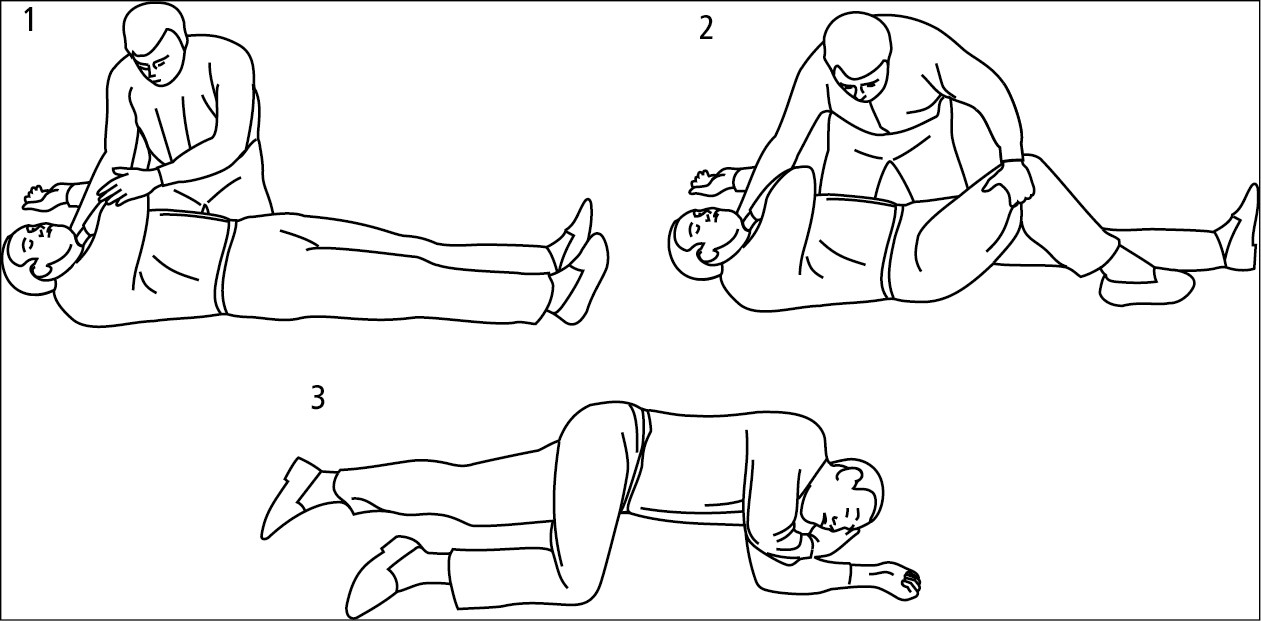
      1. Lay the person on their side to prevent choking.
        1. Stay with the person until emergency assistance arrives.
        Is naloxone safe?

        Naloxone won’t harm someone who is overdosing, so it’s always best to use if you suspect an opioid overdose. 

        It can cause withdrawal symptoms, which may include fever, rapid heart rate, sweating, nausea, vomiting, tremors and/or anxiety.

        How do I store naloxone?

        It should be kept at room temperature and out of sunlight. Do not store naloxone in the refrigerator.

        Want the full training on using naloxone to reverse opioid overdoses? Register here.

        Need Naloxone?

        RACSB has regularly scheduled dispensing dates as well as dispensing at community events.

        Naloxone dispensing and rapid training (10 minutes) will take place from 1-4 p.m. at RACSB at River Club (10825 Tidewater Trail) on the following dates unless noted otherwise:

          • March 26, 2026
          • April 23, 2026
          • May 21, 2026
          • June 25, 2026
          • July 23, 2026
          • August 18, 2026
          • September 17, 2026
          • October 22, 2026
          • November 19, 2026
          • December 17, 2026

        The rapid version with naloxone dispensing is held the first Friday of every month from 1:00 p.m. to 3:00 p.m. at the Fredericksburg Clinic (600 Jackson Street, Fredericksburg, VA 22401).

        To register for an upcoming dispensing date: https://www.signupgenius.com/go/RACSB-REVIVE2026

        In partnership with the Spotsylvania County Sheriff’s Office the rapid training and naloxone dispensing will take place the first Thursday of the month from 1:00 p.m. to 4:00 p.m. at the Mall Substation.

        Additionally, Rappahannock Area Health District now offers Rapid training and naloxone dispensing daily between the hours of 8:30 a.m. to 4:00 p.m. at the following health department sites:

        • Caroline Health Department (17202 Richmond Turnpike, Milford, VA 22514)
        • Fredericksburg Health Department (608 Jackson Street, Fredericksburg, VA 22401)
        • King George Health Department (8097 Kings Highway, King George, VA 22485)
        • Spotsylvania Health Department (9104 Courthouse Road, Spotsylvania, VA 22553)
        • Stafford Health Department (1300 Courthouse Road, Stafford, VA 22554)


        Save 1 Life

        For details on harm reduction and local resources, check out this regional campaign to address the opioid epidemic.

        Respond to Opioid Poisoning Using Naloxone

        1. Check for Safety
        2. Check for Responsiveness
        3. Call 911 – If you must leave the individual alone, place them into the recovery position
        4. Give 2 Rescue Breaths (if the person is not breathing)
        5. Administer 1 dose of Naloxone
        6. Continue Rescue Breathing – 1 breath every 5 seconds for 3 minutes
        7. Assess and respond based on outcome of the first naloxone dose.
          Naloxone should take effect within 30-45 seconds but may take longer. Provide rescue breathing (1 breath every 5 seconds for 3 minutes). If still no response after 3 minutes, administer the second dose of naloxone. If the individual remains unresponsive after the second dose is administered, continue rescue breathing until emergency medical services arrives.

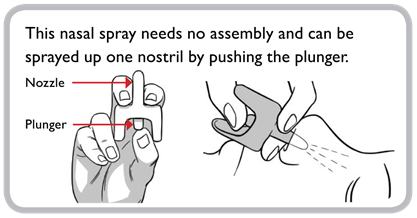
        About the Nasal Spray (FDA Approved)
        Recovery Position
        Learn How to Save a Life

        Our free community trainings teach you to recognize and respond to mental health emergencies, prevent suicide, reverse opioid overdoses, recognize childhood trauma and build resilience.