
OUR HISTORY
Let’s Start at the Beginning
In the 1950’s, families who had a loved one with a disability or mental illness were encouraged to keep them in institutions. By the 60’s, attitudes were changing. In 1968, the Virginia General Assembly passed a law allowing local governments to create agencies that could help people with mental illness or developmental disability.
These agencies were Community Mental Health and Mental Retardation Services Boards, which were often called “Chapter 10 Boards” after the legislation that created them. In 1970, the Frank C. Pratt Chapter of the Mental Health Association in Fredericksburg voted to match the state funds set aside for these boards, and start an agency in the Fredericksburg area. The Rappahannock Area Mental Health and Mental Retardation Services Board began in 1970 with a staff of 10.
Through the next decades, the agency led efforts to care for people with mental illness, developmental disability and substance use disorders in the Fredericksburg community. The board started offering day support services and early intervention for babies years before such programs became common throughout Virginia.
In 1977, the agency renamed itself the Rappahannock Area Community Services Board to reflect its support of alcohol and drug prevention programs. In the early 1980’s, RACSB opened satellite mental health clinics in outlying counties. The first to open was in Caroline County.
In the next four decades, RACSB opened clinics and day support sites and added programs to meet the burgeoning needs of a rapidly growing community. RACSB added residential services and programs for teen parents, mothers struggling with addictions, and young families needing support. RACSB was instrumental in establishing the Rappahannock Regional Drug Treatment Court, which was the first regional drug court in the nation and the first drug court to treat juveniles.
As needs arise in the Fredericksburg region, RACSB strives to provide solutions. The agency has helped train hundreds of first responders to handle mental health crises and established a crisis assessment center at Mary Washington Hospital, to help law enforcement officers with emergency custody orders. The agency created a crisis stabilization program for people with mental illness and substance abuse issues. Most recently, RACSB started a Medication-Assisted Treatment program in response to the growing opioid epidemic.
RACSB is committed to continuing the tradition of serving the community, by solving problems, helping area residents, and serving the most vulnerable populations.
Sparking, Supporting, and Spreading Hope Through the Years
Creating a Community of Inclusion
1970
The Rappahannock Area Mental Health and Mental Retardation Services Board launches with fewer than 10 employees, after the Frank C. Pratt Chapter of the Mental Health Association in Fredericksburg provides the required funds to match state appropriations.
1972
The mental health outpatient clinic on Princess Anne Street in Fredericksburg is destroyed by fire and operates out of the library until moving to an office on Prince Edward Street.
1976
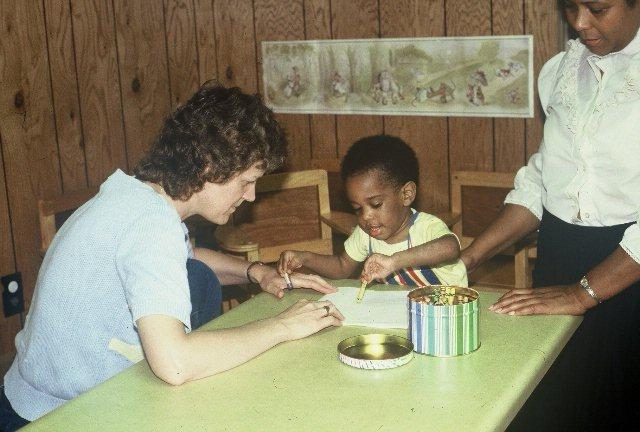
RACSB starts Rappahannock Adult Activities, a day support program operating out of the old Little Falls School Building in Stafford County. This meets a significant community need as adults with disabilities had no options after leaving special education services.
1977
The agency changes its name to Rappahannock Area Community Services Board.
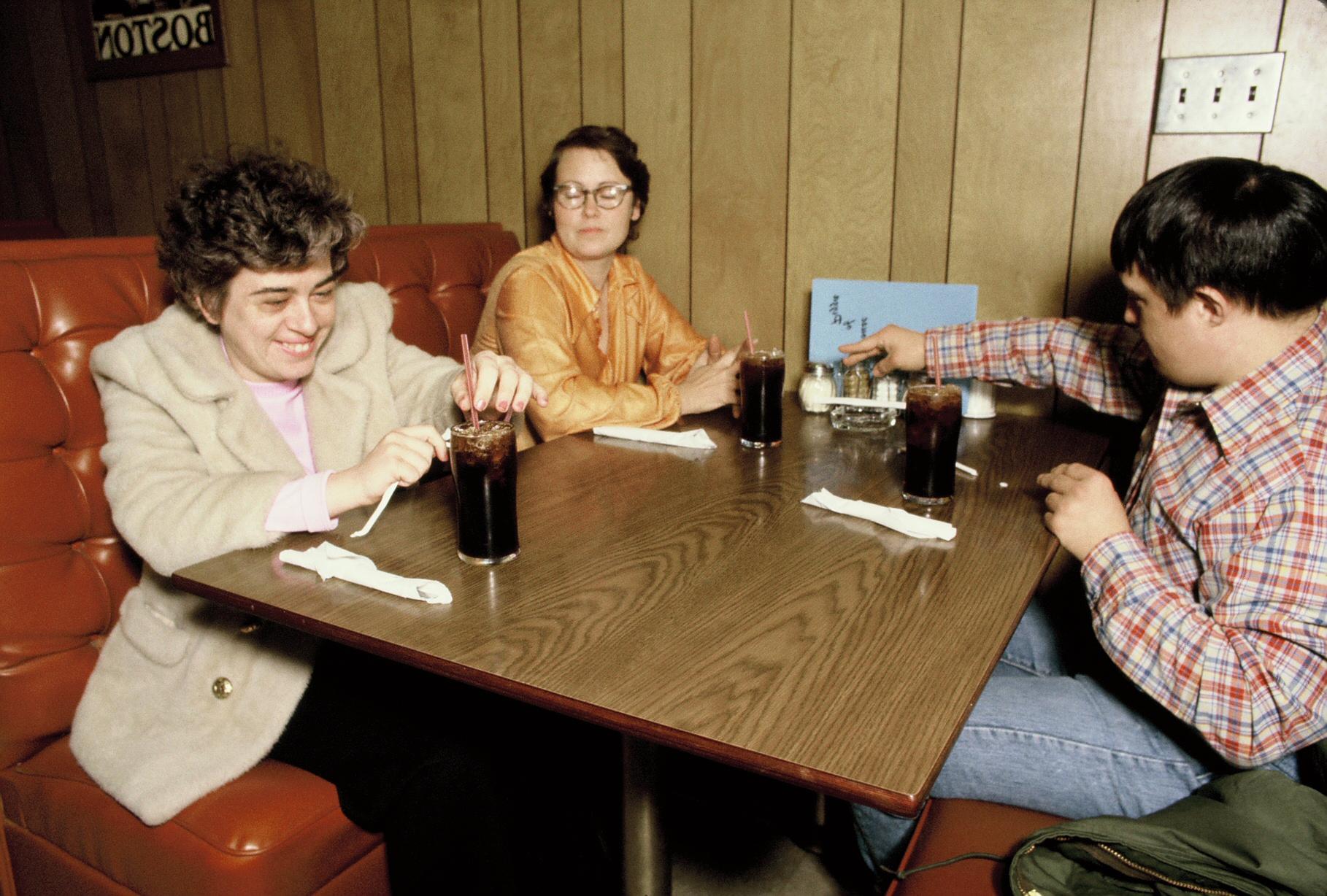
RACSB teams with The ARC of Rappahannock and First Christian Church to open a group home for adults with intellectual disabilities. This is the Fredericksburg region’s first group home and helps adults leave state institutions and live in our community.
1979
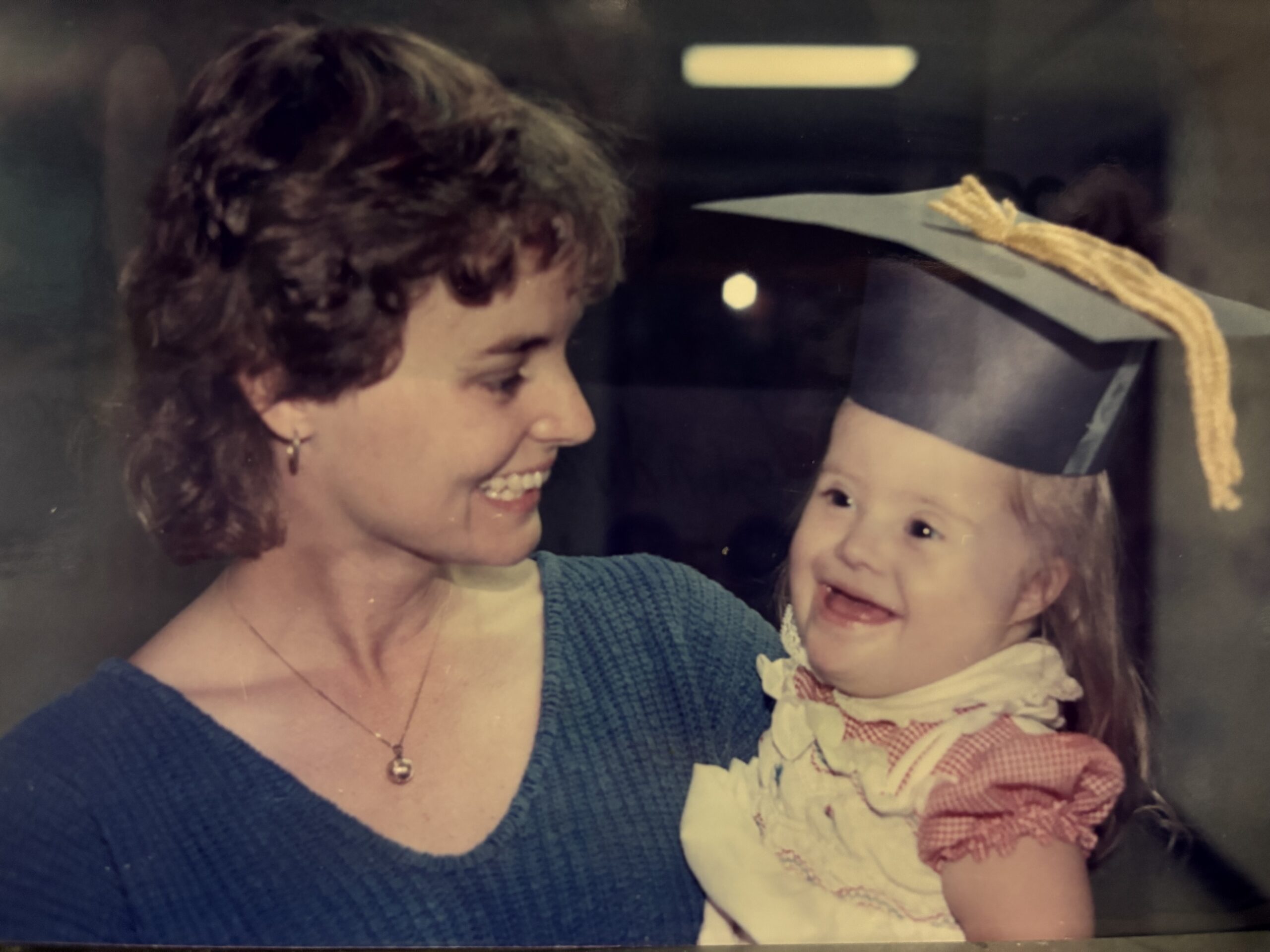
RACSB introduces the Parent Education Infant Development program, to support children ages 3 and under who have developmental delays.
Expanding Horizons, Supporting Hopes
1981
A day program for adults with severe and persistent mental illness opens on Prince Edward Street in Fredericksburg.
1984
RACSB opens its first satellite mental health clinic in Caroline County.
Prince Edward House, the day program for adults with mental illness, adopts a clubhouse model, becoming a center for work, education, and entertainment organized and administered with help from the members.
1985
An emergency services program is established to provide crisis intervention services 24 hours a day, 365 days a year.
The Wolfe Street Group Home opens in Fredericksburg, serving adults with intellectual disabilities.
1986
RACSB opens A Woman’s Place, the area’s first day treatment program for women with substance use disorders.
1988
RACSB establishes mental health supervised apartment and supported living programs.
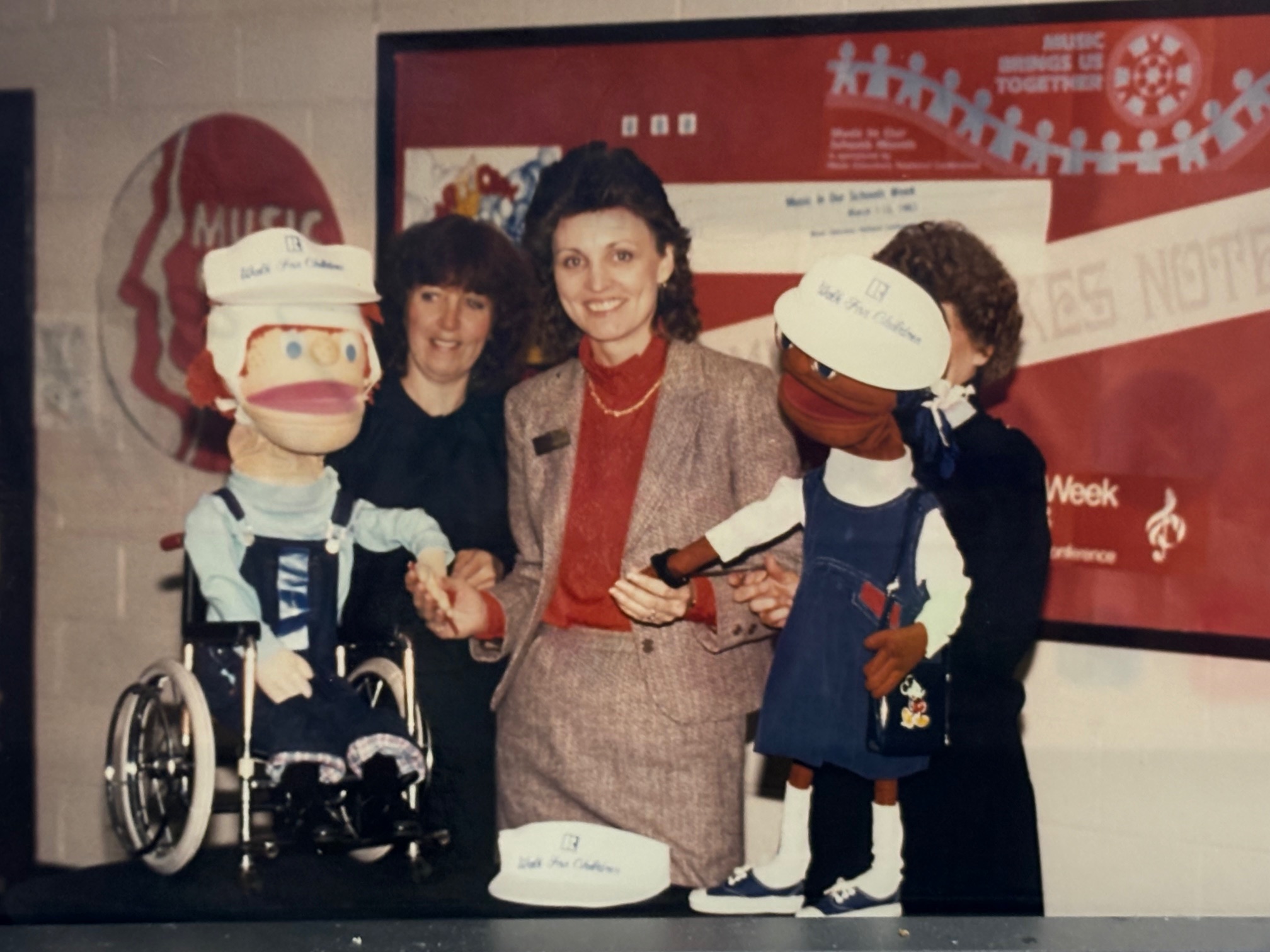
The Rappahannock Area Kids on the Block is formed, promoting awareness of disabilities through puppetry.
Prince Edward House moves to Kenmore Avenue and changes its name to Kenmore Club.
Serving Up Opportunites for Growth
1990
Intensive in-home services are established to help children and adolescents with mental health struggles stay in the community whenever possible.
1991
The Sponsored Placement Program launches, matching individuals with families who provide room, board, and supports.
Project LINK is established to support pregnant and parenting women impacted by substance use disorders.
RACSB’s Fredericksburg Clinic and administrative offices move to 600 Jackson street.
1994
RACSB opens two group homes, one in Stafford County and one in Spotsylvania.
The Spotsylvania Clinic opens its doors on Brock Road.
1996
RAAI opens its new site on Kings Highway, allowing the program to expand.
1997
Healthy Families Rappahannock Area is created to support new parents. RACSB serves as its fiscal agent.
1998
The Rappahannock Regional Drug Treatment Court is established. This program is a collaboration between RACSB, the Fredericksburg Circuit Court, Fredericksburg Juvenile and Domestic Relations Court, Rappahannock Regional Jail, the Adult Probation & Parole Office, Juvenile Court Services Unit, and Fredericksburg’s Commonwealth Attorney.
1999
RACSB expands mental health residential options by opening apartment programs on two sites.
Building for the Future
2000’s
This decade is marked by significant growth in RACSB’s disability residential services as it triples its group homes from three to nine and expands to include an additional site of supervised apartments for adults with mental illness.
2005
RACSB opens new outpatient clinics in King George and Stafford counties.
The first Art of Recovery is held. This annual event features original artwork by adults living with mental illness.
2007
The Crisis Stabilization Program opens, offering care for adults experiencing behavioral health crises in a six-bedroom facility on Princess Anne Street in Fredericksburg.
2009
Sunshine Lady House for Mental Health Wellness & Recovery—a new, expanded Crisis Stabilization Unit—opens, thanks to a grant from Philanthropist Doris Buffett.
Lafayette Boarding House—for adults with mental illness—welcomes its first residents. This eight-bed facility was renovated with help from Doris Buffett’s Sunshine Lady Foundation.
The Rappahannock Crisis Intervention Team is formed and begins to provide Crisis Intervention Training to law enforcement officers in the Fredericksburg region.
Strengthening Community Partnerships
2010
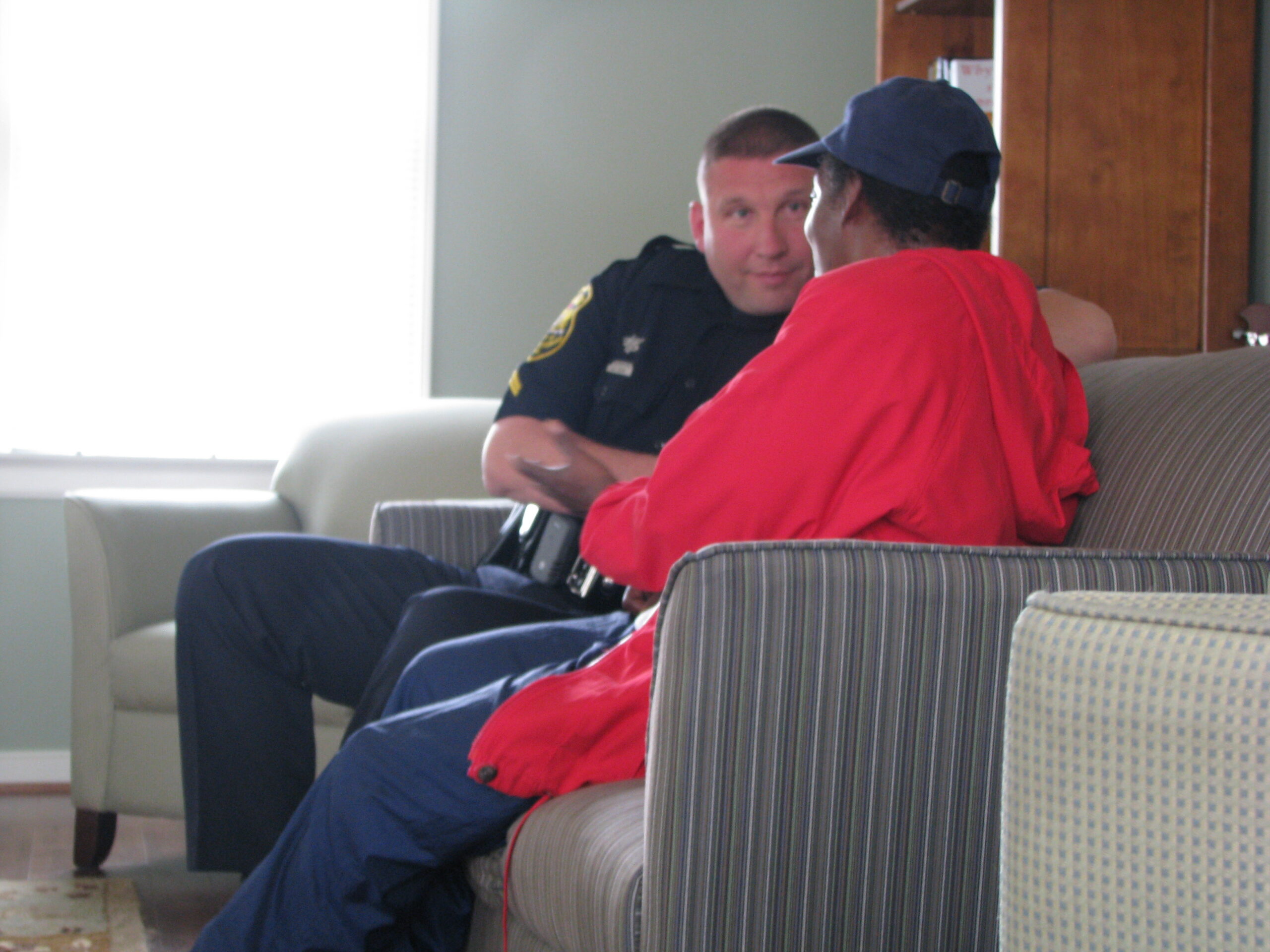
RACSB partners with the Fredericksburg Police Department to allow Sunshine Lady House to serve as a secure drop-off site for people under temporary detention orders. This provides a safe space for assessing individuals in crisis.
2011
RAAI grows to include other day support sites.
2013
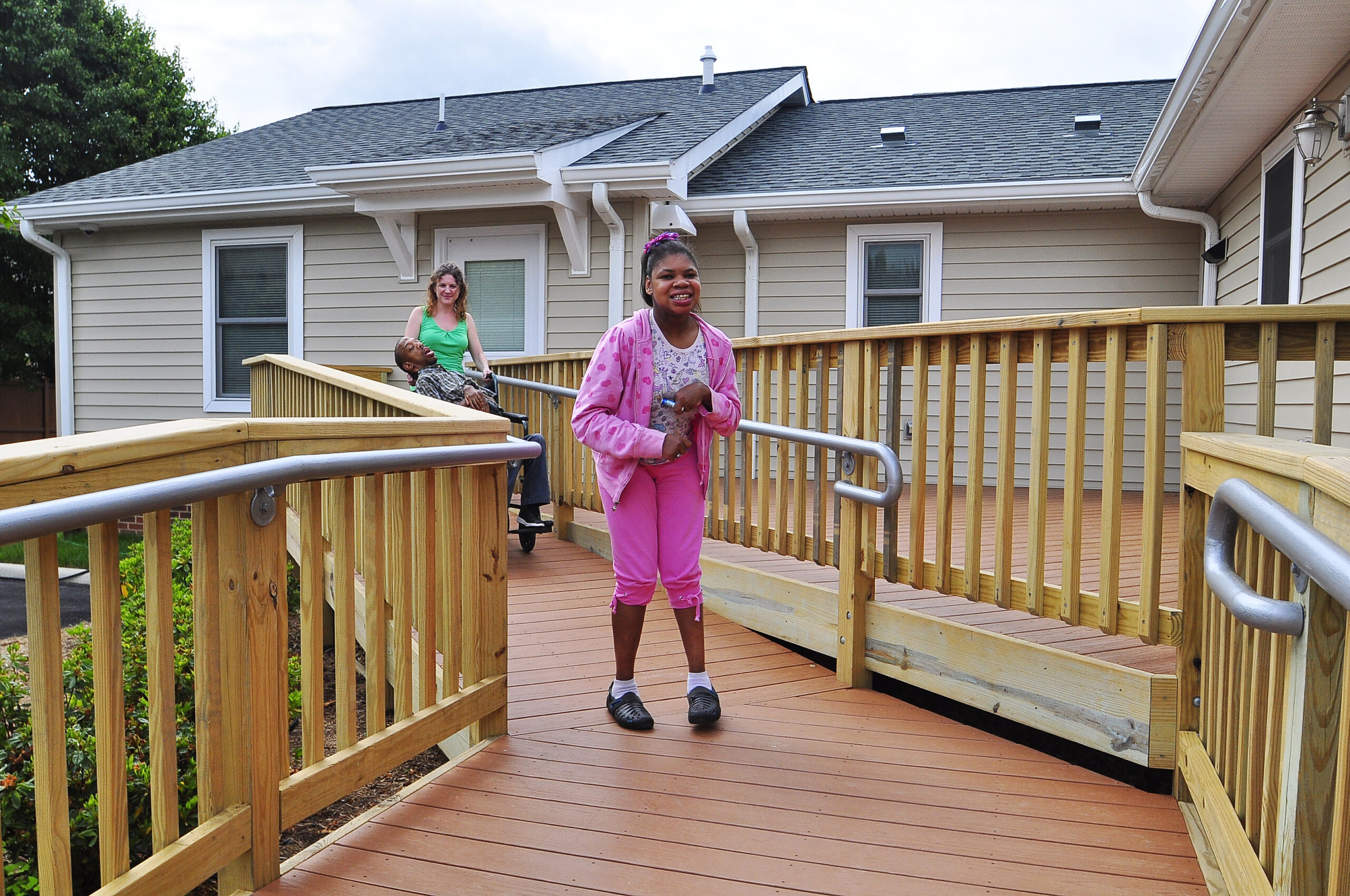
RACSB partners with The Sunshine Lady Foundation to open a respite facility for adults with developmental disabilities.
2014
RACSB opens two intermediate care facilities in Spotsylania County. These support adults with developmental disabilities who have complex medical or behavioral needs, allowing individuals living in training facilities to live in the community.
2015
RACSB moves its Crisis Assessment Center to Mary Washington Hospital.
2016
RACSB completes a total renovation of the Wolfe Street Group Home to make it the agency’s third intermediate care facility.
2017
Executive Director Ron Branscome retires, and Jane McDonald takes the helm of RACSB.
RACSB launches a Medication Assisted Treatment program to address the opioid epidemic.
2018
The Spotsylvania Veterans Treatment Docket launches to offer treatment over incarceration for veterans with behavioral health issues. RACSB provides the treatment for this program.
Spreading Hope Far and Wide
2020
The agency purchases 601 Lafayette Boulevard, the former Roxbury Mills property.
RACSB expands telehealth services to meet the rising behavioral healthcare needs and challenges posed by the coronavirus outbreak.
2022
Executive Director Jane McDonald retires, and Joseph Wickens takes the helm.
Spotsylvania County launches a Behavioral Health Docket for individuals with mental illness who have been charged with nonviolent felonies. RACSB provides group and individual therapy for participants.
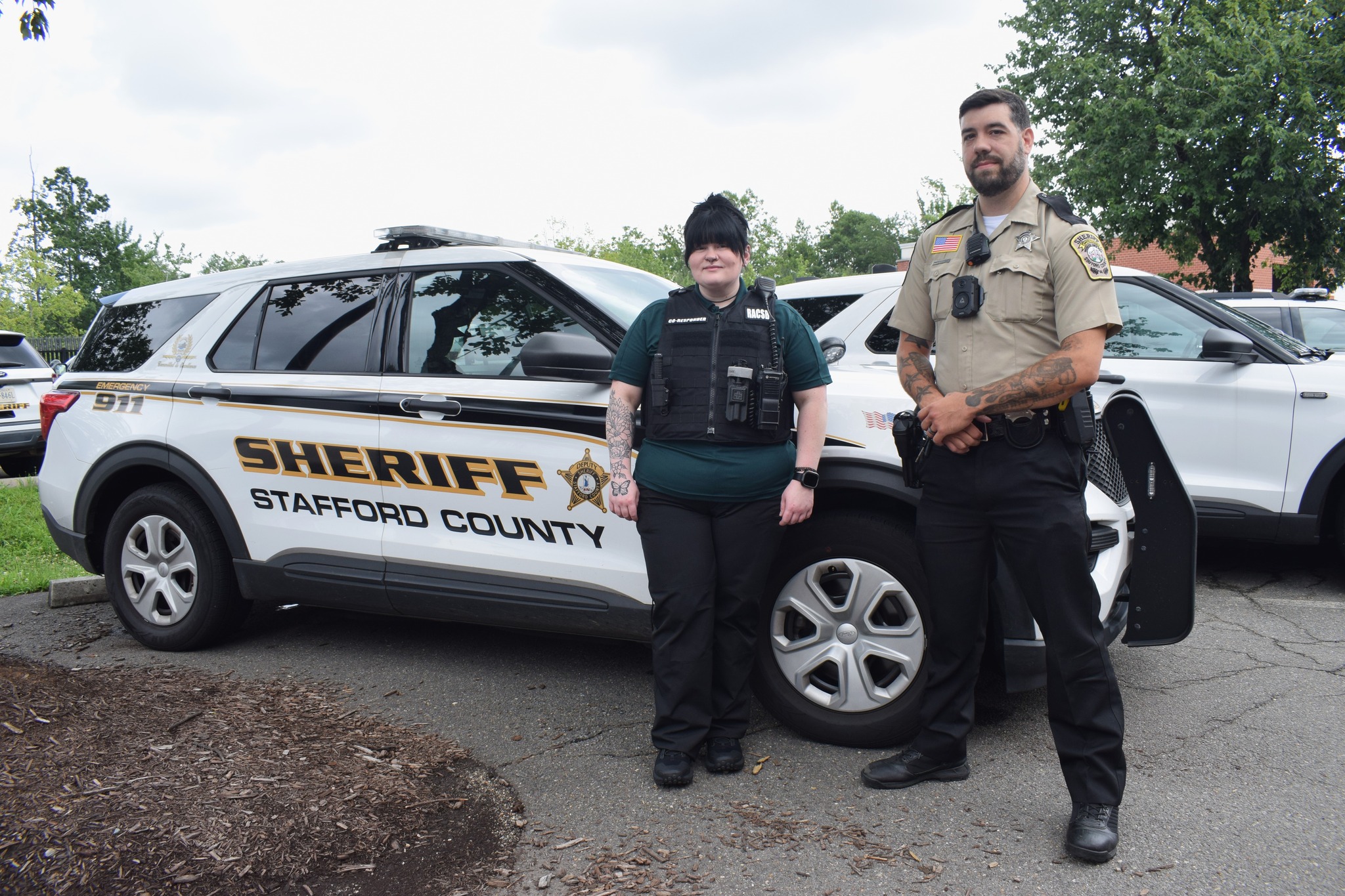
RACSB partners with local law enforcement agencies to provide co-response services, where an emergency services therapist pairs with a law enforcement officer to respond to calls involving behavioral health.
2023
RACSB starts offering school-based therapy.
RACBS partners with Germanna Community College to launch a Behavioral Healthcare Technician Intern program to address workforce shortages.
2025
RACSB purchases a 79,420-square-foot, intending to move its crisis services under one roof while expanding options for area residents experiencing behavioral health emergencies.
The Mobile Recovery Unit hits the road, providing care for opioid use disorders in the community and helping those who can’t seek treatment because of transportation issues.